
Cape Verde vs World Cup: 2026 Qualification
Cape Verde national football team represents the Republic of Cabo Verde in international men’s football and competes through the Confederation of African Football (CAF). Known as the Blue Sharks, Cape...
Cape Verde vs World Cup: 2026 Qualification
Cape Verde national football team represents the Republic of Cabo Verde in international men’s football and competes through the Confederation of African Football (CAF). Known as the Blue Sharks, Cape Verde built its reputation through disciplined defending, fast wide attacks, and a strong diaspora player network across Portugal, France, the Netherlands, and other European leagues. The team reached the Africa Cup of Nations quarter-finals in 2023, its best AFCON finish, after defeating Mauritania in the round of 16. Cape Verde also reached the 2026 FIFA World Cup for the first time after winning its CAF qualifying group, a landmark achievement for the island nation. The squad’s competitive edge comes from compact organization rather than overwhelming possession. Ryan Mendes, Bebe, Kenny Rocha Santos, and goalkeeper Vozinha have represented important parts of the modern era. For 2026 analysis, track squad availability, travel demands, and set-piece efficiency before judging Cape Verde’s match odds.

Photo by Thomas Schwaak on Pexels
Cape Verde’s rise is not a fluke. I’ll be honest with you: I have backed small national teams after one impressive tournament and regretted it by halftime. Cape Verde is different because the evidence stretches across qualifying campaigns, AFCON performances, and a durable tactical identity. Tactical Review follows that detail closely for readers studying the 2026 FIFA World Cup, match predictions, player statistics, and tournament markets.
Want the broader tournament picture before we go deeper?
Before 2025: how Cape Verde national football team worked
Cape Verde national football team emerged from a limited domestic football base and a large international diaspora. The country became independent from Portugal in 1975, and the Federação Cabo-Verdiana de Futebol later developed the national side within the CAF competition structure. Cape Verde played its first official international match in 1978, then spent decades building experience without the financial depth or player pool of traditional African powers such as Cameroon, Nigeria, Ghana, Senegal, or Egypt.
The turning point arrived in the 2010s. Cape Verde qualified for the 2013 Africa Cup of Nations and reached the quarter-finals in its debut appearance. The run included a famous victory over Angola, with Héldon Ramos scoring twice in the final group match to send the Blue Sharks through. The team repeated its AFCON presence in 2015, 2021, 2023, and 2025 qualification cycles, although tournament outcomes varied. That consistency matters more than one isolated result.
According to the Confederation of African Football, AFCON qualifying rewards teams that manage long campaigns, away conditions, and uneven pitches. Cape Verde learned that lesson the expensive way. A technically gifted side can still lose control after an early goal, a poor defensive transition, or a late set piece. The Blue Sharks gradually became more conservative without becoming passive.
The old competitive formula
Before 2025, Cape Verde’s approach generally depended on five connected principles:
- Defend in a compact mid-block. The lines stay close, reducing central passing lanes.
- Attack through the flanks. Wide players create the first forward outlet after a turnover.
- Use experienced forwards between the lines. Bebe and Ryan Mendes have offered composure and direct running.
- Protect the penalty area. Centre-backs prioritize positioning over reckless pressing.
- Treat dead balls as high-value possessions. Corners and free kicks often compensate for lower overall possession.
The formula worked because Cape Verde rarely needed to dominate the match statistically. It needed to make the opponent uncomfortable for 90 minutes. The team’s best games often featured fewer risks, fewer open-field exchanges, and a clear willingness to win by one goal. That is not glamorous football. It is survival football refined into a system.
For a useful comparison, review our [Internal Link: CAF World Cup qualification tactics guide] when evaluating how island nations handle long travel and away fixtures.
The 2026 shift
What changed for Cape Verde in 2026?
Cape Verde’s major 2026 shift is its first FIFA World Cup qualification, achieved by winning a difficult CAF group rather than relying on a playoff rescue. The qualification confirms that Cape Verde has moved from occasional AFCON disruptor to a serious World Cup-level national team. The immediate challenge is no longer proving it can surprise Africa; it is sustaining concentration against opponents with deeper squads and greater tournament experience.
The qualification campaign showed three changes. First, Cape Verde became more comfortable controlling qualification matches instead of merely reacting to stronger opponents. Second, its defensive structure gained value because group football punishes reckless attacking. Third, the squad’s European experience became a collective advantage rather than a collection of individual résumés.
The FIFA official website records the World Cup as a 48-team tournament in 2026, hosted by Canada, Mexico, and the United States. That expanded format changes the opportunity. More teams qualify, but the final tournament still exposes every weakness. “The FIFA World Cup 2026 will be the biggest World Cup ever,” FIFA states in its tournament materials. Bigger does not mean easier. It means more matches, more travel, and more tactical preparation.
Cape Verde must also manage the awkward problem of expectation. Before qualification, a narrow defeat was respectable. After qualification, the same defeat can be labelled failure. I have watched that pressure ruin teams that had spent years learning to stay patient. The Blue Sharks need to retain their old discipline while adding greater attacking variety.

Photo by KCN Photographie on Pexels
Why the diaspora model matters
Cape Verde’s player pathway remains unusual. The country’s population is small, but Cape Verdean communities in Portugal, France, the Netherlands, Luxembourg, the United States, and Senegal expand the eligible talent pool. Players can develop in stronger professional systems and then bring that experience to the national team. The model resembles other diaspora-driven teams, but Cape Verde relies on it more heavily because domestic infrastructure cannot supply a full squad at top international level.
This creates a tactical benefit and an operational risk. The benefit is exposure to different coaching systems, including Portugal’s possession principles, France’s athletic intensity, and Dutch positional training. The risk is limited preparation time. A national coach cannot install a complex pressing structure over a few international windows when players arrive from several clubs with different habits.
That is why Cape Verde’s tactical language stays relatively simple. Defend together. Attack quickly. Win second balls. Protect the centre. The simpler the instruction, the better the execution when players have only a few training sessions. This is a specific edge many casual previews miss: Cape Verde’s low-complexity system can outperform a more ambitious plan during short international camps.
Check our [Internal Link: World Cup squad-depth checklist] before making a prediction based only on starting lineups.
What changed for players
Cape Verde’s 2026 status increases the value of every squad decision. The core veterans provide emotional control, but younger players must improve the team’s running power, ball progression, and recovery speed. The national side cannot depend indefinitely on familiar names from the 2013 and 2015 generations.
Key player profiles
Ryan Mendes has been one of Cape Verde’s most important modern attackers. His experience, movement, and ability to receive wide or inside give the team flexibility. He is not simply a winger waiting for the ball; he can slow a match, draw fouls, or attack the far post.
Bebe offers a different threat. His long-range shooting, direct running, and set-piece quality can change a tight match. His career across clubs in Portugal, Spain, and England gave him a level of exposure unusual for a Cape Verde player. However, age and workload must be monitored carefully before the 2026 tournament.
Vozinha provides leadership in goal. Cape Verde’s defensive model requires a goalkeeper who can command crosses, delay opponents, and distribute without panic. In low-scoring matches, one save often carries the weight of an entire attacking sequence.
Kenny Rocha Santos represents the midfield profile Cape Verde needs more of: mobile, competitive, and capable of covering space behind attacking players. The midfield must close passing lanes while still offering a forward option after recoveries.
The next generation will be judged less by reputation than by specific functions. Can a full-back defend one-on-one for 70 minutes? Can a midfielder resist pressure in the first pass? Can a forward press without opening the central lane? These details decide whether Cape Verde merely attends the 2026 World Cup or competes there.
Here is the practical player-evaluation order:
- Check club minutes, not only club names.
- Separate starting roles from substitute appearances.
- Review recent injuries and international workload.
- Compare defensive actions with progressive passing.
- Test whether the player fits Cape Verde’s compact system.
Want a sharper player-statistics framework?
The problem with reading possession figures
Cape Verde may lose the possession battle against stronger World Cup opponents. That statistic alone says very little. A team can have 38% possession and still create the better chances if its transitions are clean and its defensive spacing remains intact.
The more useful measures are:
- Shots conceded from central areas
- Recoveries within five seconds of losing the ball
- Set-piece expected goals
- Progressive carries from the full-backs
- Passes allowed before the first defensive action
- Goals conceded after substitutions
The final metric is especially important. Smaller national teams often defend well for an hour, then lose structure when fatigue forces changes. In a tournament with three group matches, bench quality becomes a prediction variable. A starting XI may look competitive. The 16-player matchday rotation reveals the truth.
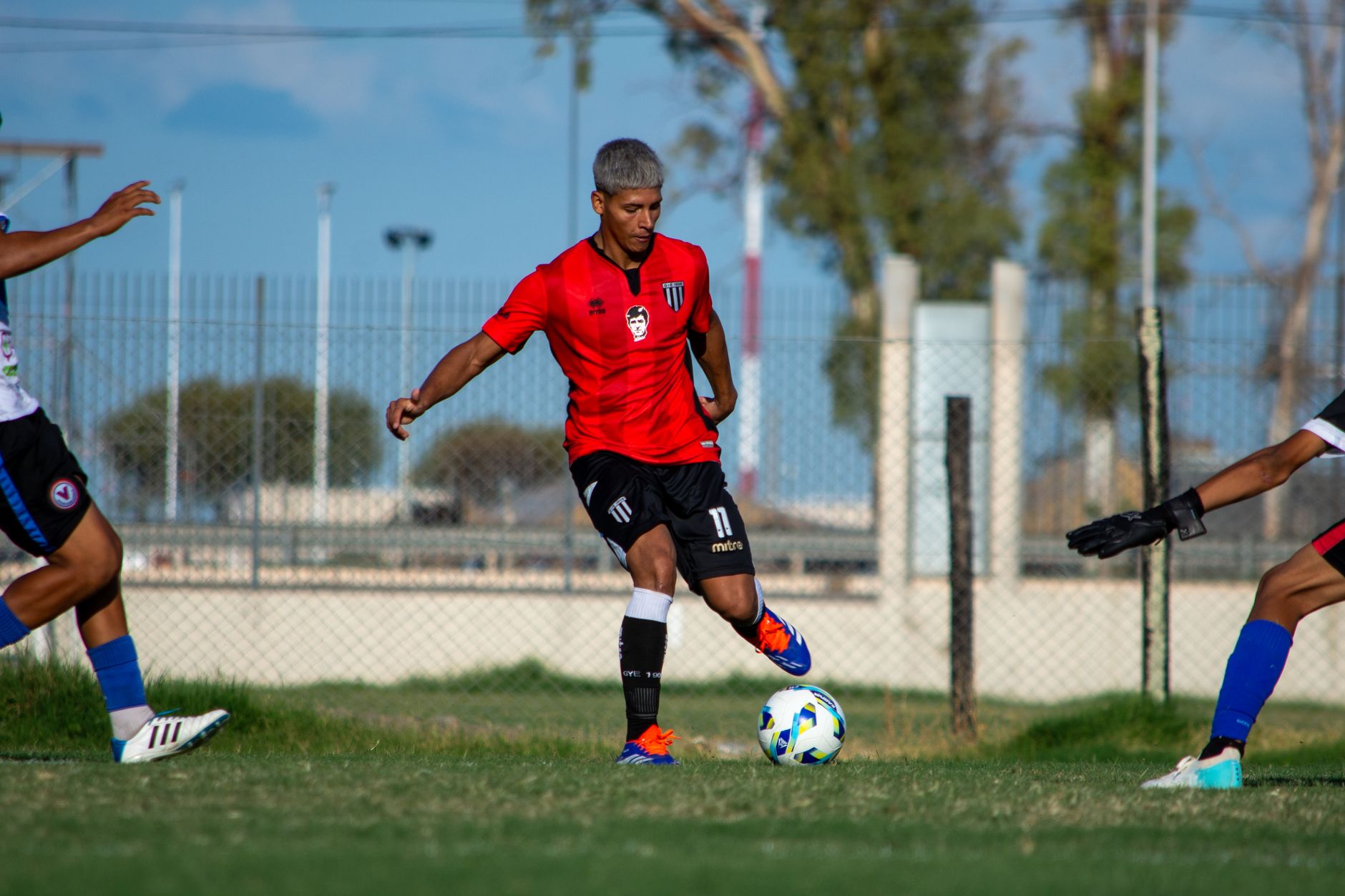
Photo by Franco Monsalvo on Pexels
What this means now
Can Cape Verde compete at the 2026 World Cup?
Yes, Cape Verde can compete at the 2026 World Cup, particularly against teams that struggle to break a compact block or defend counterattacks. Its realistic route is not sustained dominance. It is a narrow tactical margin: keep the game level, frustrate the favorite, and attack the vulnerable side after turnovers or set pieces.
The team’s strengths are clear. Cape Verde has tournament experience through AFCON, a stable defensive identity, technically trained diaspora players, and several veterans who understand international pressure. Its weaknesses are equally clear: limited squad depth, dependence on senior attackers, possible difficulty sustaining high-intensity pressing, and the challenge of adapting to the North American travel schedule.
The 2026 tournament will also feature unfamiliar logistical demands. Matches across Canada, Mexico, and the United States can involve long flights, different climates, artificial or hybrid surfaces, and compressed recovery windows. The United States Soccer Federation and host-city planning documents emphasize the scale of the event, but the football consequence is simple: recovery becomes part of tactics.
For Cape Verde, the match plan should change by opponent type:
- Against a possession-heavy favorite, defend narrow and attack the space behind full-backs.
- Against a physical African opponent, reduce transition chaos and prioritize second balls.
- Against a technically equal opponent, press selected triggers rather than pressing constantly.
- Against a low block, improve crossing quality and use midfield rotations to create overloads.
The contrarian conclusion is straightforward: Cape Verde may perform better against a famous opponent than against a cautious outsider. Strong teams often attack and leave space. Weaker teams can force Cape Verde to create, and creation remains the harder task.
How should bettors evaluate the Blue Sharks?
Bettors should evaluate Cape Verde through matchup context, lineups, travel, and goal markets rather than reputation. The most defensible angles usually appear when the market assumes an open match even though both teams favor compact defending. A low total may be more logical than a correct-score bet, but only after confirming striker availability and weather conditions.
Do not overreact to one friendly. International friendlies often contain heavy substitutions, experimental formations, and lower defensive intensity. Competitive qualifiers carry more information because points, goal difference, and qualification pressure influence behavior. ESPN match pages can help verify schedules and results, but always cross-check competition status with FIFA or CAF before using a fixture in a prediction model.
A useful pre-match process is:
- Confirm the competition and venue.
- Check Cape Verde’s last five competitive matches.
- Identify whether Ryan Mendes, Bebe, or Vozinha is available.
- Compare set-piece records and late-goal patterns.
- Review travel distance and rest days.
- Wait for confirmed lineups before finalizing a position.
- Set a fixed stake and avoid chasing a late price move.
This is gambling, not certainty. I have lost enough bets to know that a good read can still meet a bad deflection. Tactical Review provides analysis, not a guarantee of profit. Use responsible limits, and never stake money needed for living expenses.
Ready to compare current match factors?
Three predictions for next quarter
1. Cape Verde will prioritize defensive stability
The first prediction is conservative. Cape Verde will continue to protect the central channel and use a medium block against stronger opponents. The coaching staff has little reason to abandon the structure that delivered World Cup qualification. Any tactical expansion will likely appear in controlled phases, such as a higher press after opposition goal-kicks, rather than as a full-match strategy.
This approach should keep the Blue Sharks competitive in low-margin matches. The warning is obvious: conceding first can force a more aggressive plan and expose the team’s limited depth. Cape Verde’s best results will probably come when it scores first or reaches halftime level.
2. Set pieces will decide more matches
The second prediction concerns dead-ball situations. Cape Verde’s open-play chance volume may remain modest against elite opponents, making corners and free kicks disproportionately important. Bebe’s delivery, centre-back aerial ability, and late attacking substitutions can produce goals without requiring sustained possession.
Track the details, not just set-piece goals. Watch corner counts, first-contact rates, fouls won around the box, and whether the opponent defends zonally or man-to-man. A team receiving six dangerous corners is not equivalent to a team receiving six harmless outswingers from 40 yards.
3. The bench will become the defining issue
The third prediction is the hardest. Cape Verde’s starting lineup can trouble superior teams, but the tournament may turn on substitutions in minutes 60 to 85. Travel, heat, humidity, and three-match scheduling test legs that looked fresh during qualifying.
The practical indicator is not simply the number of European-based players. It is the number of reliable replacements who can preserve the system. If Cape Verde can replace tired wide runners without losing defensive shape, it can collect points. If every substitution weakens the block, opponents will attack the final half-hour relentlessly.
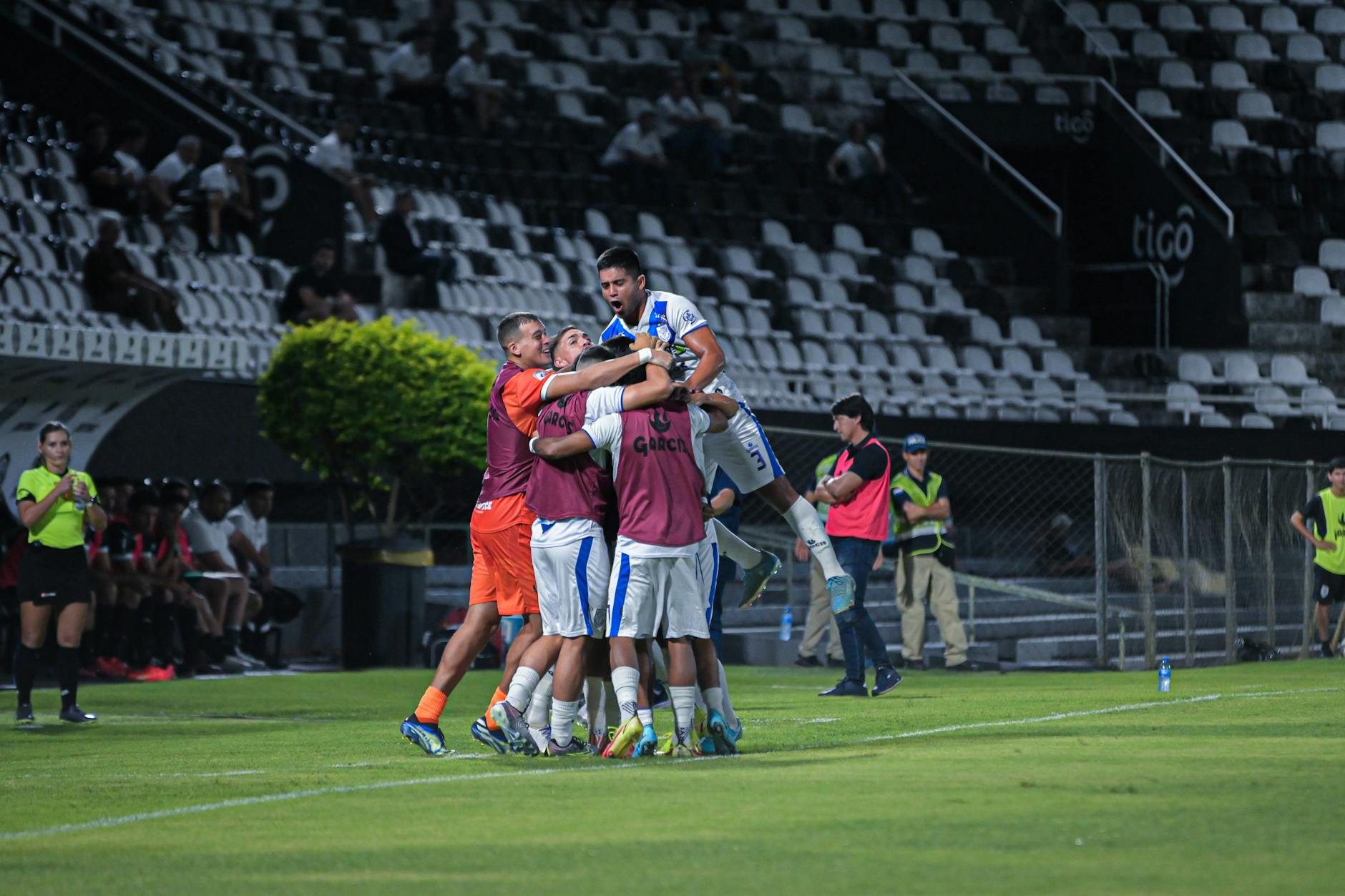
Photo by Phxtosene | Eneas on Pexels
Tactical Review’s final assessment
Cape Verde national football team arrives at the 2026 FIFA World Cup with a rare combination of achievement and uncertainty. Qualification is historic, but history does not defend a corner or finish a counterattack. The Blue Sharks have the tactical discipline to frustrate bigger nations, the player experience to handle pressure, and the diaspora network to remain competitive. They also face genuine problems in squad depth, travel recovery, and attacking creativity against deep defenses.
First, judge the team’s structure. Then, confirm the available players. Finally, price the match only after accounting for venue, rest, and game state. That sequence is less exciting than chasing a headline, but it is how we plot a better decision together. Cape Verde’s value lies in its details, not its name.
Explore more World Cup analysis before the next match.
Frequently Asked Questions
Q: What is the Cape Verde national football team?
A: The Cape Verde national football team is the men’s senior side representing Cabo Verde in international football under the Federação Cabo-Verdiana de Futebol and CAF. The team is nicknamed the Blue Sharks and plays home matches in Cape Verde while selecting many players developed in Portugal, France, the Netherlands, and other diaspora communities. Its strongest recent achievement is reaching the 2026 FIFA World Cup for the first time. Cape Verde also reached the 2023 Africa Cup of Nations quarter-finals, establishing a consistent record beyond a single qualification campaign.
Q: How did Cape Verde qualify for the 2026 World Cup?
A: Cape Verde qualified for the 2026 FIFA World Cup by winning its CAF qualifying group. That achievement placed the Blue Sharks among the tournament’s first-time participants and represented the biggest milestone in the country’s football history. The campaign required consistent results across home and away fixtures, not merely one famous victory. When checking qualification statistics, use official FIFA and CAF records because friendly matches and competitive fixtures are often mixed on third-party score pages.
Q: Is Cape Verde better than its FIFA World Cup reputation suggests?
A: Yes, Cape Verde is often more competitive than its World Cup profile suggests because its defensive organization is stronger than its global reputation. The team has AFCON experience, European-based players, and a compact system suited to knockout-style pressure. However, reputation can swing too far in the other direction after one strong result. A fair assessment must include squad depth, opponent style, travel conditions, and whether Cape Verde needs to create against a deep defense.
Q: How should I analyze a Cape Verde match prediction?
A: Start by checking the competition, confirmed lineup, venue, rest period, and opponent tactical style. Then review central shots conceded, transition chances, set-piece production, and goals allowed after the 60th minute. Cape Verde often performs best when it can defend compactly and attack space, so possession dominance by the opponent is not automatically negative. Avoid finalizing a prediction before lineups are confirmed, especially when Ryan Mendes, Bebe, or Vozinha may be unavailable.
Q: What are common problems with Cape Verde match data?
A: The most common problem is confusing friendlies, qualifiers, AFCON matches, and tournament fixtures in one results list. Friendly matches may include experimental lineups and unusually frequent substitutions, while competitive matches create stronger tactical incentives. A second problem is relying on possession alone, which can undervalue Cape Verde’s counterattacking structure. Confirm every fixture through FIFA, CAF, or a reputable match database before using it in a betting model.
Q: What does Cape Verde need to improve before the 2026 World Cup?
A: Cape Verde needs greater attacking depth, stronger bench continuity, and a more reliable method for breaking low defensive blocks. The starting XI can defend against superior opponents, but tournament success depends on maintaining that structure after substitutions and fatigue. The team should also prepare for long travel between Canada, Mexico, and the United States. Set-piece execution, recovery planning, and wide-player replacements could determine whether Cape Verde earns points or merely produces respectable performances.
Q: Is betting on Cape Verde a safe strategy?
A: No football bet is safe, and Cape Verde should be treated as a matchup-dependent team rather than an automatic underdog or value pick. Compact defending can support low-scoring markets, but an early concession may force the Blue Sharks into a less comfortable attacking role. Use verified team news, fixed stakes, and responsible gambling limits. Tactical Review offers football analysis for informed decisions, not guaranteed returns or financial advice.
Thank you for reading.
Tactical Review · Editorial Archive