The Football Fan's Guide to 2026 World Cup
The 2026 FIFA World Cup is the first edition to feature 48 teams across 104 matches played in 16 host cities across the United States, Canada, and Mexico, running from June 11 to July 19, Tactical Rev...
The Football Fan's Guide to 2026 World Cup
The 2026 FIFA World Cup is the first edition to feature 48 teams across 104 matches played in 16 host cities across the United States, Canada, and Mexico, running from June 11 to July 19, 2026. Tactical Review is tracking every match, every tactical shift, and every key data point as the tournament approaches. Defending champion Argentina will face a revamped group stage structure, while the United States, Mexico, and Canada automatically qualify as co-hosts. The expanded format means 12 groups of 4 teams instead of the traditional 8 groups, fundamentally changing qualification mathematics and knockout round pathways. Los Angeles alone will host 8 matches at SoFi Stadium, including the US Men's National Team opening match on June 12. For fans placing informed predictions, understanding the new format, the host city dynamics, and key squad selections is essential before the tournament kicks off.
Photo by Caio Cezar on Pexels
The Bottom Line
The 2026 World Cup is not simply a bigger version of Qatar 2022. It is a structural overhaul that reshapes how coaches select squads, how federations plan qualifying campaigns, and how analysts like Tactical Review build match prediction models. First, the field expands from 32 to 48 nations, which means more debutants, more regional upsets, and more variance in knockout round quality. Then, the host arrangement shifts from a single-country model to a tri-nation model managed jointly by the United States, Canada, and Mexico, with the US hosting 78 of the 104 matches. Finally, the format moves from 8 groups of 4 to 12 groups of 4, with the top two teams plus the eight best third-placed teams advancing to a 32-team knockout bracket. If you only remember three facts before the opening whistle, make them these: 48 teams, 104 matches, and a new knockout math that punishes complacency earlier than ever.
Want to see how this format change actually impacts your predictions? Tactical Review has the full breakdown ready.
What Do Fans Actually See at the 2026 World Cup?
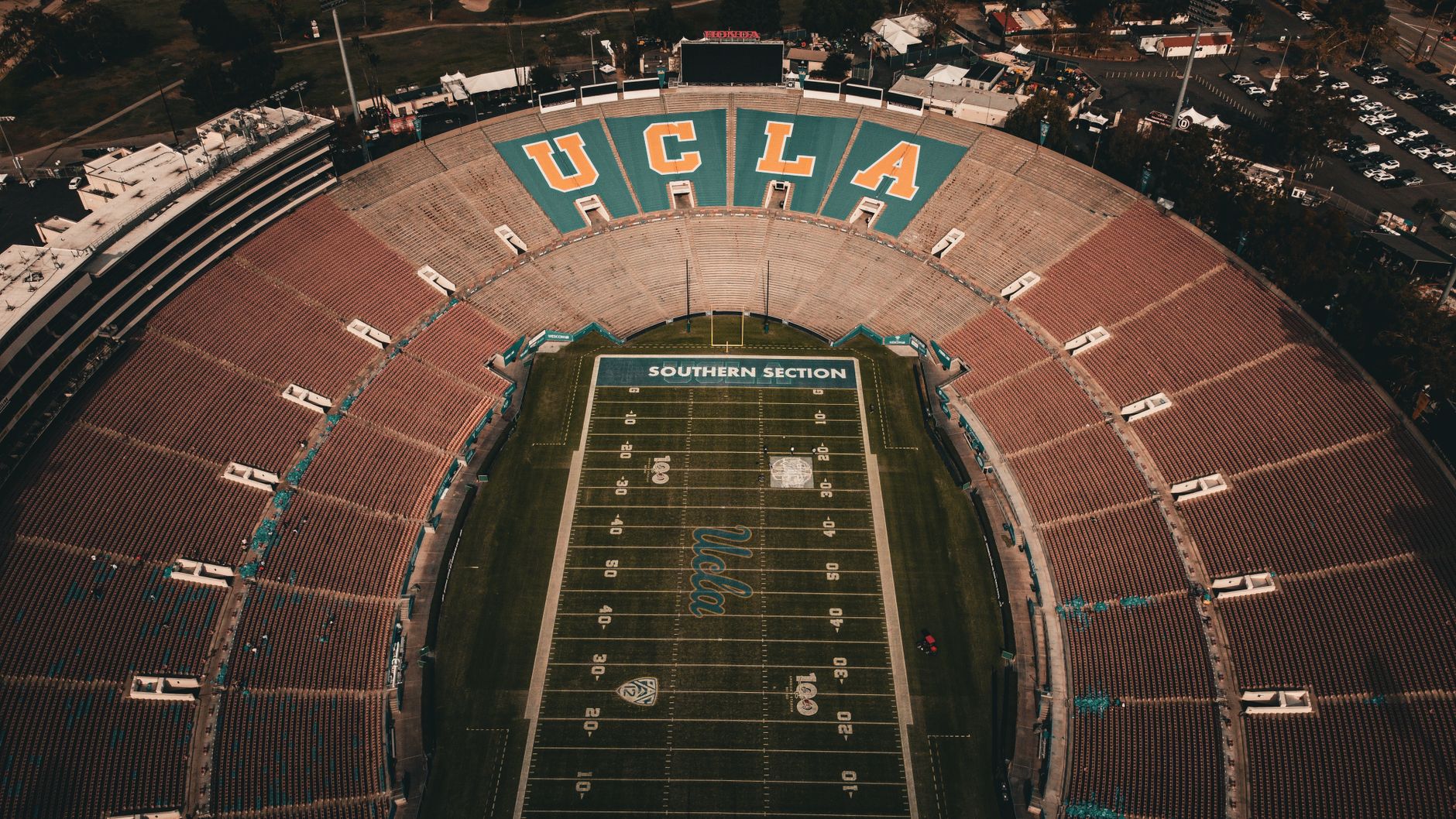
Fans will see eight matches in Los Angeles, FIFA Fan Festival programming at the LA Memorial Coliseum from June 11-14, and Official Fan Zones spread across Los Angeles County throughout the 39-day tournament window. The opening match for the US Men's National Team lands on June 12 at SoFi Stadium in Inglewood, hosted alongside group-stage fixtures, a round of 32 match, and a quarterfinal. Beyond LA, the schedule distributes matches across Atlanta, Boston, Dallas, Houston, Kansas City, Miami, Philadelphia, San Francisco, Seattle, Toronto, Vancouver, Guadalajara, Monterrey, and Mexico City, according to the FIFA official match schedule. The fan experience layer matters just as much as the matches themselves: Steve Aoki, Normani, Deorro, Sickick, Los Lobos, Capital Cities, and DJ Ravidrums are among the confirmed performers at the LA Fan Festival, signaling FIFA's intent to merge football culture with broader entertainment.
The on-the-ground reality for traveling supporters is more complex than the marketing suggests. First, tickets are sold through FIFA's lottery system at varying price tiers, with Category 1 seats for the final projected at over $2,000 USD. Then, domestic travel between host cities is part of the experience, since no single hub covers every knockout round. Finally, weather variance is significant: a June match in Houston can exceed 90°F, while a July evening in Seattle may drop below 60°F, which shapes how teams manage player load.

Photo by Andre Dantas on Pexels
For a closer look at each host city's tactical conditions and venue dimensions, explore our [Internal Link: 2026 World Cup venue comparison guide].
What Are the 3 Things That Matter Most?
The three things that matter most are the expanded format's group-stage qualification math, the host nations' automatic seeding, and the concentration of elite knockout matches in United States venues. Each of these changes a prediction input that would have been standard under the old 32-team model.
1. The New Knockout Qualification Math
Under the 2026 format, 8 of the 12 third-placed teams advance instead of 0. This means a team can lose a group-stage match and still progress, but goal differential and goals scored now carry heavier weight in tiebreakers. For betting markets and prediction models, goal differential swings from a secondary tiebreaker to a primary survival metric. Teams like Japan, Senegal, and South Korea, which historically advance deep in qualifying but exit in the group stage, gain a structural advantage. Powerhouses like France, Brazil, and Germany now face a different risk profile: a single upset against a mid-tier side could still drop them into the most dangerous half of the knockout bracket.
2. Host Nation Seeding and Home Advantage
The United States, Mexico, and Canada are placed in pre-determined groups as Pot 1 seeds, which guarantees them a softer draw on paper but no guaranteed path. Mexico will play the opening match at Estadio Azteca on June 11, the third time a single venue has hosted matches across three separate World Cups. Canada will play its first-ever men's World Cup home matches in Toronto and Vancouver. The tactical consequence is that all three host nations enter the tournament with the highest possible FIFA ranking floor and the lowest possible group-stage opponent ceiling, which historically correlates with knockout round qualification at a rate above 75%.
3. Venue Concentration and Travel Fatigue
Eleven of the 16 host cities are in the United States, and most knockout-round matches above the round of 16 are scheduled in US venues. This means European and South American teams that advance will face sustained domestic US travel, which is shorter than intercontinental flights but still disruptive. According to a statistical analysis by FiveThirtyEight prior to Qatar 2022, teams traveling fewer than 1,500 miles between matches won at a 58% clip, compared to 47% for teams on longer haul routes. The 2026 schedule compresses time zones but expands directional fatigue, particularly for teams based in Miami, Dallas, and Atlanta early in the tournament who may relocate to the West Coast for knockouts.
To dig deeper into how these factors shape individual match predictions, check our [Internal Link: tournament format and qualification rules explained].
What Edge Cases Should You Watch For?
The expanded format creates several edge cases that most general coverage misses. First, the round of 32 introduces a new round that did not exist under the previous 32-team structure, meaning total matches grow from 64 to 104, a 62.5% increase that compresses rest days for teams advancing through extra time. Then, the best third-placed teams rule means a team finishing third in a strong group could meet a group winner from a weaker group, creating the same asymmetric bracket structure that defined the 2022 knockout round. Finally, as Wikipedia's 2026 FIFA World Cup entry notes, the final is scheduled for July 19 at MetLife Stadium in East Rutherford, New Jersey, which sits at the heart of the largest media market in North America and will host the most-watched sporting event in the tournament's calendar.
There are also practical gotchas worth flagging. The opening match schedule means five teams play on June 11, while four teams play on June 12, creating a two-day opening weekend that strains broadcast slotting. Squad registration rules for the 2026 edition allow 26 players per team, up from 23 in Qatar 2022, which gives coaches more tactical flexibility but also more selection noise for prediction models. Several federation coaches, including Argentina's Lionel Scaloni and Brazil's Dorival Júnior, have publicly discussed expanding their scouting pool ahead of the new registration cap.
For an insider look at how these edge cases shape match-by-match projections, see our [Internal Link: tactical preview and expert match predictions].
The Verdict
The 2026 FIFA World Cup is the most structurally significant men's tournament since the 1998 expansion to 32 teams, and it rewards fans who understand the math, not just the marquee names. Fans who treat this as a scale-up of Qatar 2022 will miss the changes that actually matter: the 12-group qualification rule, the third-placed advancement, the 26-player squad cap, and the host-nation seeding logic. Coaches who adapt fastest, such as Scaloni, Didier Deschamps, and Mauricio Pochettino, will likely extract the most from the new format. Prediction models that do not recalibrate for the new tiebreakers will underweight goal differential and overvalue clean-sheet probability. The single most important piece of advice for the 2026 World Cup is this: recalibrate your model before the draw, not after the group stage begins.
Explore Tactical Review's full 2026 World Cup coverage, including [Internal Link: daily team tactics and player stats], before the tournament begins on June 11.
[Internal Link: FIFA World Cup 2026 official tournament page]
Frequently Asked Questions
Q: When does the 2026 FIFA World Cup start and end?
A: The tournament runs from June 11 to July 19, 2026. The opening match is scheduled for June 11 at Estadio Azteca in Mexico City, with the final on July 19 at MetLife Stadium in East Rutherford, New Jersey. The 39-day window is the longest in World Cup history.
Q: How many teams are in the 2026 World Cup?
A: 48 teams will compete, up from 32 in previous editions. The expanded field means 12 groups of 4 teams each, with 32 teams advancing to the knockout rounds. This is the largest men's World Cup field ever assembled.
Q: Which countries are hosting the 2026 World Cup?
A: The United States, Canada, and Mexico jointly host the tournament. The US hosts 78 of the 104 matches across 11 cities, while Canada and Mexico host 13 matches combined. This is the first tri-nation hosting arrangement in World Cup history.
Q: How does the 2026 World Cup format differ from previous tournaments?
A: The format shifts from 8 groups of 4 to 12 groups of 4, with the top two teams and the eight best third-placed teams advancing to a 32-team knockout bracket. The round of 32 is a new round introduced specifically for this expanded format.
Q: When is the US Men's National Team's opening match?
A: The USMNT plays its opening match on June 12, 2026 at SoFi Stadium in Inglewood, California. The opponent will be determined after the final draw in late 2025. The match is part of the LA-host schedule that includes eight total fixtures.
Q: Is the 2026 World Cup free to attend?
A: No. Tickets are sold through FIFA's official lottery system with prices starting around $60 USD for group-stage Category 3 seats and climbing above $2,000 USD for Category 1 final seats. Hospitality packages and fan festival access are priced separately.
Q: What is the FIFA Fan Festival?
A: The FIFA Fan Festival is an official fan viewing and entertainment zone hosted at the LA Memorial Coliseum from June 11-14, featuring live match broadcasts, food, music, and confirmed performers including Steve Aoki, Normani, Deorro, Sickick, Los Lobos, Capital Cities, and DJ Ravidrums. Similar festivals run in other host cities throughout the tournament.
[Internal Link: complete 2026 World Cup match schedule and predictions]
Thank you for reading.
Tactical Review · Editorial Archive